How Chinese Home Sellers in the U.S. Should Protect Their Privacy
2024-01-14 Recommended by Evelyn Yang
In the United States, selling a home is just as significant as buying one. The difference is that selling a home requires publicity, which involves privacy and security; therefore, when selling a home, sellers must take care to protect the items inside the home as well as the homeowner’s personal identifying information.
Chinese homeowners should make safety the top priority at every stage of the home-selling process. The following practices are worth considering:
Preparing the Home
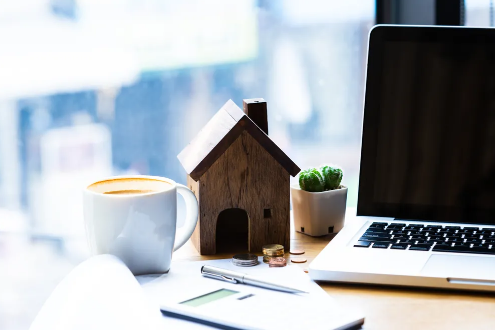
Homeowners remove unnecessary items and arrange the home to attract visitors, which will bring strangers into the property. To improve protection, they can install motion-detection alarm systems, repair defective doors and windows, and place a lockbox. If the home is in a suburban area, fences and hedges can provide additional protection. In addition, homeowners can purchase homeowners insurance. Premiums are usually high, but if the home is damaged and lacks insurance, the homeowner selling the property will have to bear substantial costs.
Removing Personal Details
New York City real-estate professional Lipman said that, to preserve privacy, items bearing names should be removed from the home, such as mail, business cards, awards, and photographs. However, doing only this is not thorough enough; people can still search for information related to you and the home.
Lipman said that purchasing a home through a limited liability company, or transferring it to a limited liability company before publicly listing it for sale, can help ensure privacy. A living trust is another option. These matters involve legal and tax considerations and require careful thought, and possibly guidance from a professional.
Quietly selling the home through a real-estate agent’s network is another option, but it may affect the efficiency of the sale.
Open Houses
Many people believe that selling a home requires opening it to visitors, but Massachusetts real-estate professional Gasset does not completely agree with this practice. He believes that open houses benefit agents far more than homeowners. People who are genuinely interested in buying a home often search for properties with their own real-estate agents rather than visiting open houses.
Gasset said that an open house does not necessarily guarantee a successful sale, but it can become a “magnet for crime.” Thieves may blend in, study the home’s layout, and tamper with things to facilitate entering later, or steal items during the visit. Agents rarely assume responsibility. Sellers should carefully evaluate the advantages and disadvantages of holding an open house.
Listing the Home for Sale Online
California real-estate professional Markowitz said that promoting a home for sale through the local multiple listing service and various online platforms is common practice. As with open houses, this exposes information about the home and the homeowner and may attract thieves. When placing advertisements online, personal information should be minimized as much as possible.
Working Carefully With the Agent
If an open house is to be held, the seller’s agent should screen visitors who come to the property and even urge them to work with a buyer’s agent. In addition, agents should avoid arranging a first meeting with a potential buyer inside the home for sale and should also avoid nighttime open houses. It is very important to require and ensure that real-estate agents have security awareness.
[Disclaimer] Some of the content and images are sourced from the internet. This article is for sharing purposes only and does not represent any particular viewpoint. If it infringes upon your rights, please contact us first, and we will address it as soon as possible.